In Toronto, a health inspection does not come with a warning call. An inspector walks in during service, introduces themselves, and starts looking — and the first things they notice are rarely the ones owners expect. It is not just whether the kitchen looks tidy. It is whether the cleaning habits behind that tidy surface would protect a customer on your busiest Friday night, not just on a quiet Tuesday afternoon.
Toronto Public Health inspects food premises under its DineSafe program, and the result gets posted where your customers can see it. Here is what inspectors tend to notice first, and what a cleaning routine that holds up under that scrutiny actually looks like.
1. The handwashing station — before almost anything else
Handwashing is one of the first stops on most inspections, because it says so much about how a kitchen is run. Inspectors look for a designated hand sink that is actually accessible — not blocked by boxes, not filled with soaking pans, not missing soap or paper towels. A hand sink that doubles as a dump sink, or one staff cannot reach without moving things out of the way, is a problem before the first temperature is even taken.
The cleaning lesson is simple: hand sinks get cleaned, stocked, and left clear every single shift. If your closing routine does not name who checks them, they will drift.
2. Sanitizer strength and the cloths sitting in it
Next, inspectors commonly check the sanitizer — in spray bottles, buckets, and the dish area — and whether wiping cloths are being stored in solution between uses. Sanitizer mixed too weak does not sanitize. Mixed too strong, it is a chemical problem on a food-contact surface. Either way, a bucket of grey, food-flecked solution with a cloth floating in it from the lunch rush tells its own story.
Good kitchens treat this as a routine, not a scramble: solutions mixed to the product directions, changed through the day, test strips on hand and actually used, and cloths replaced instead of rinsed and reused past their usefulness.
3. Food-contact surfaces — and what is stored on them
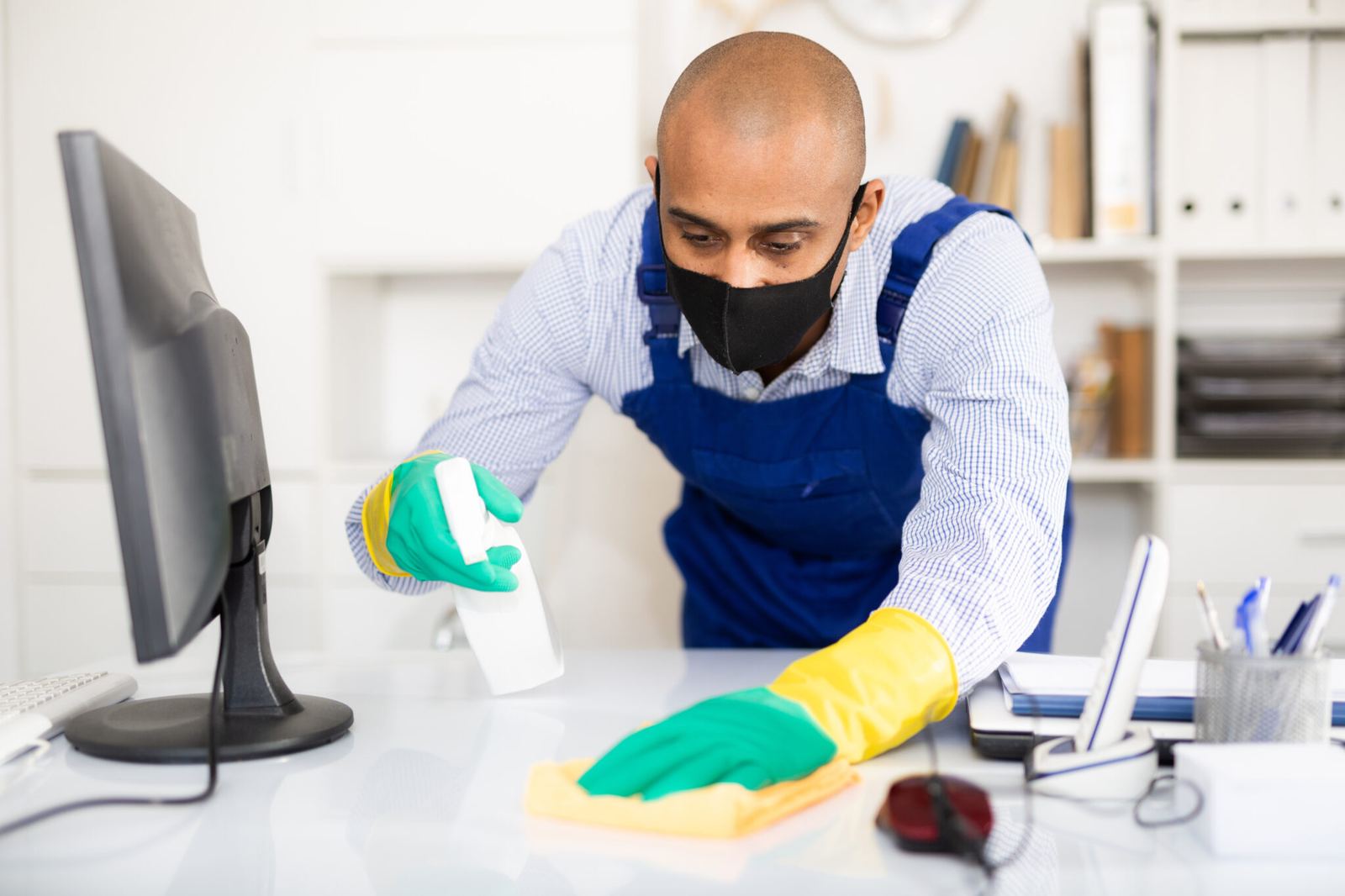
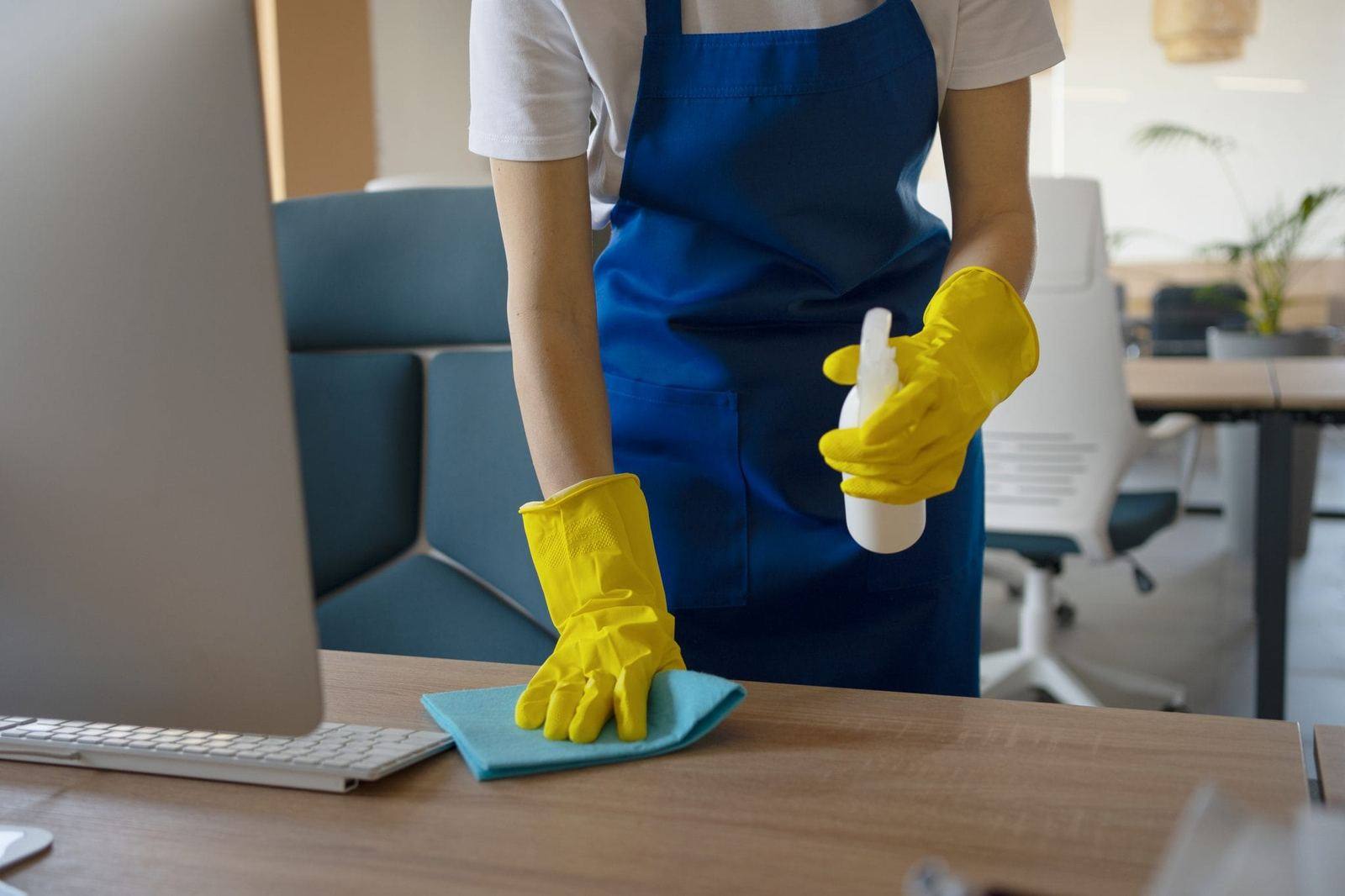
Cutting boards, prep counters, slicers, and the handles everyone touches all day get close attention. Inspectors are looking for surfaces that are cleaned and sanitized between tasks — especially between raw and ready-to-eat foods — and for the small habits that undo good cleaning: raw product stored above ready-to-eat food in the fridge, personal drinks and phones on prep surfaces, scoops buried handle-down in ingredients.
This is where a professional clean and a quick wipe-down part ways. Grease film, dried residue in seams and hinges, and buildup under equipment edges are all visible to someone who looks at kitchens for a living — and inspectors look from angles your staff stopped seeing months ago, including underneath and behind.
4. Grease: hoods, equipment, and the floor beneath them
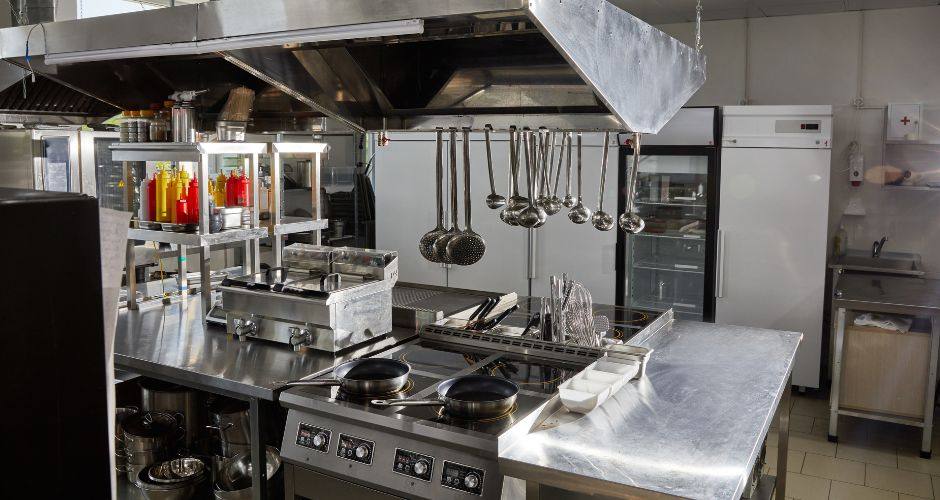
Grease is the signature buildup of every working kitchen, and it accumulates in a predictable pattern: on and around the cooking line, on the hood and filters above it, on equipment sides, and on the floor where it gets tracked outward through the shift. Inspectors notice it because it signals how long it has been since the kitchen had more than a surface clean — and because built-up grease near cooking equipment is also a fire concern, not just a hygiene one.
Nightly degreasing of the line and floors keeps the daily layer under control. The hood, filters, and the areas behind and under equipment need a deeper, scheduled clean — that is the work most in-house closing routines quietly skip, because it happens after a long service and nobody owns it.
5. Floors, walls, and the corners nobody mops
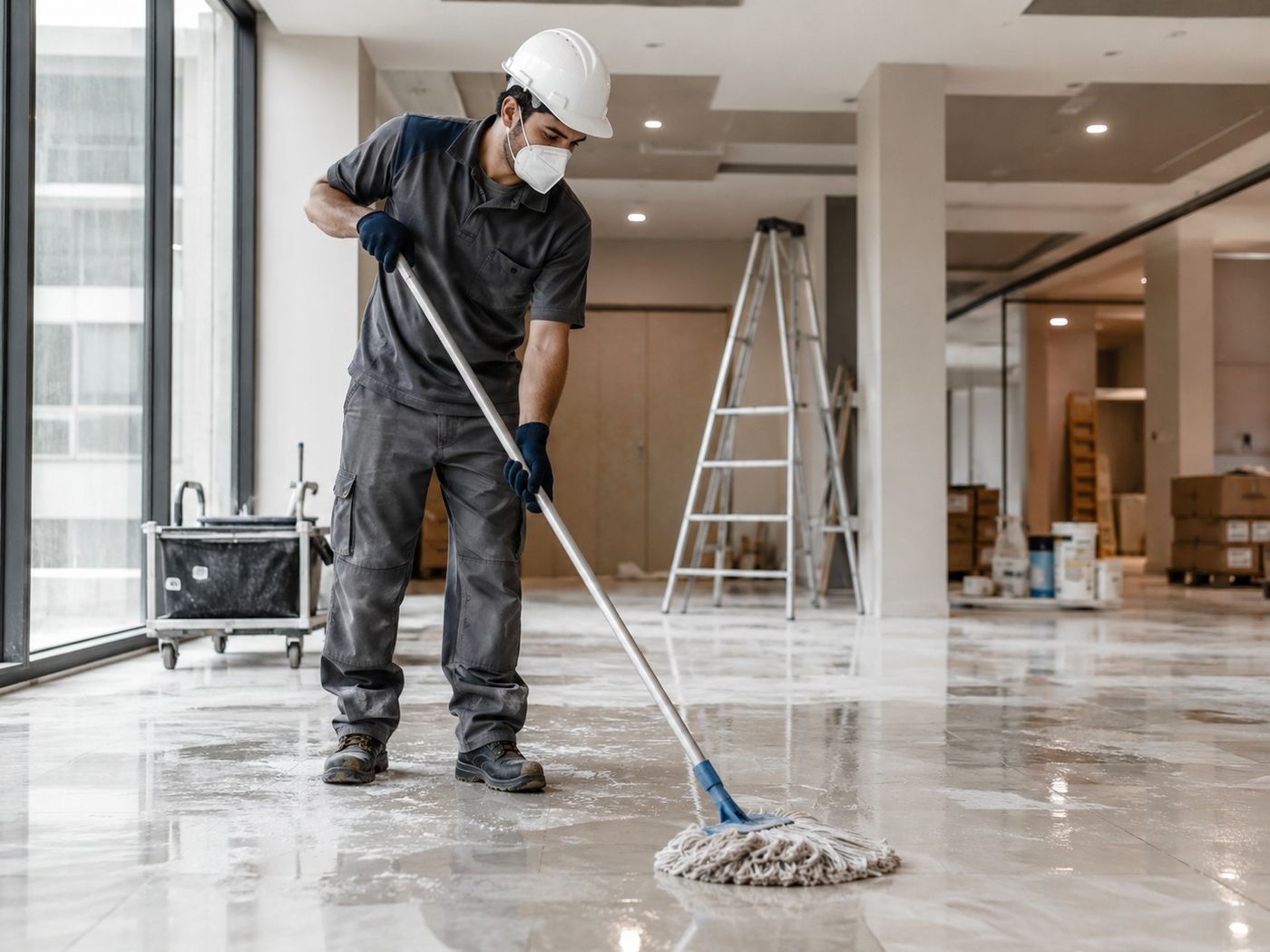
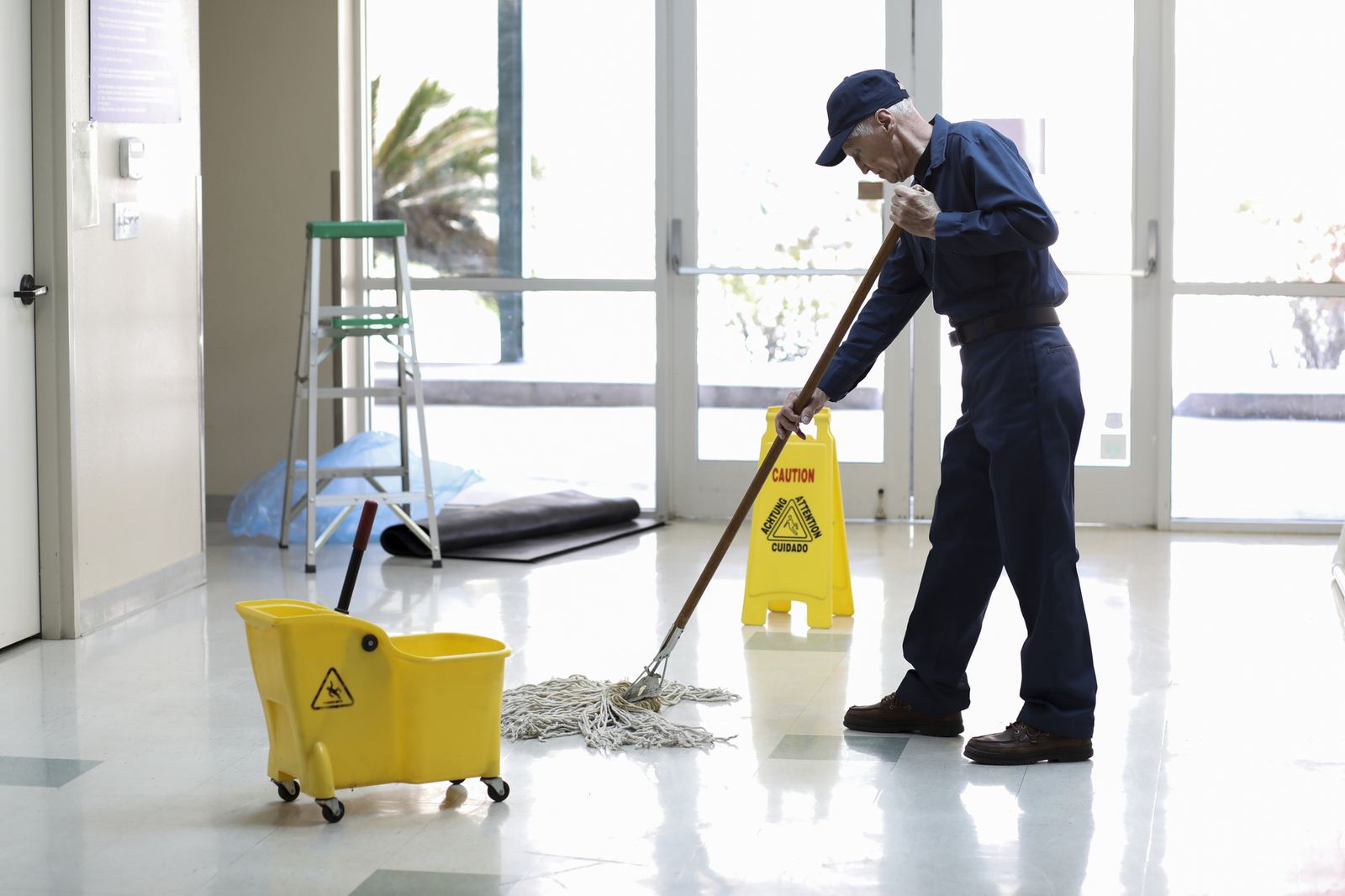
Inspectors walk the whole premises, and floors tell them how thorough the routine really is. Look where they look: the corners of the kitchen, under the dish pit, around floor drains, behind the bar, and the line where the wall meets the floor. Standing water, slimy drain surrounds, cracked or missing grout, and a mop closet with a sour mop hanging in dirty water all point the same direction.
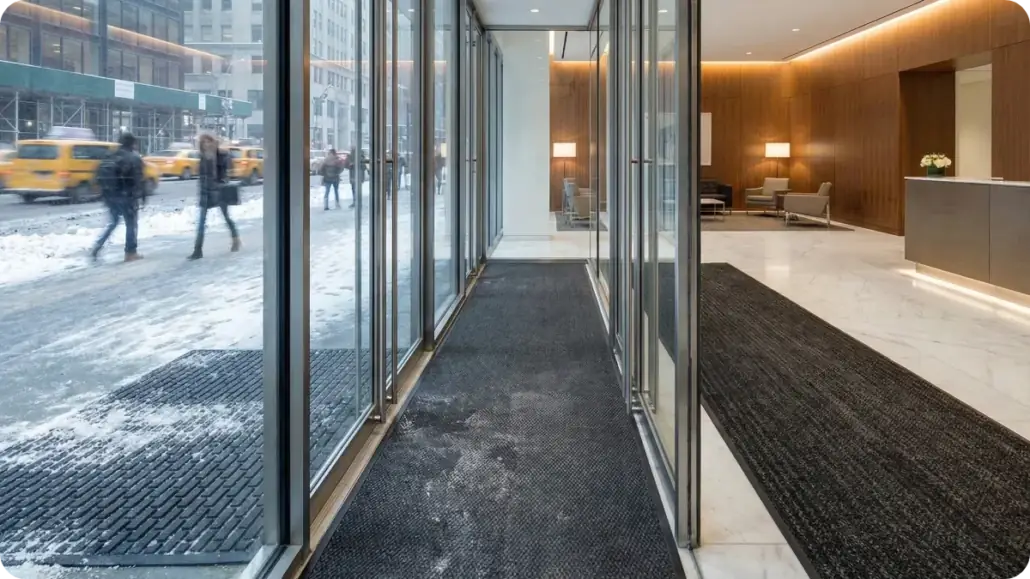
Floors in a Toronto restaurant also take a seasonal beating — rain, and soon road salt and slush, tracked from the door through the dining room. Entrance matting that gets cleaned, not just shaken out, and a floor routine that reaches the edges are what keep that from becoming a permanent grey film by February.
6. Storage, garbage, and any sign of pests
Dry storage and the back door get more attention than most owners realize. Food stored directly on the floor, open bags and unlabeled containers, cluttered shelves that cannot be cleaned around, and garbage areas with lids off or residue on the walls all get noted. So does anything suggesting pests: droppings along wall lines, gnats around drains and the bar, or gaps under doors.
Cleaning cannot fix a pest problem on its own — that needs licensed pest control — but clutter, standing water, food residue in hidden corners, and overflowing garbage are what invite one. A clean, dry, well-organized back of house is genuinely part of prevention.
7. The dining room and the washrooms your customers share
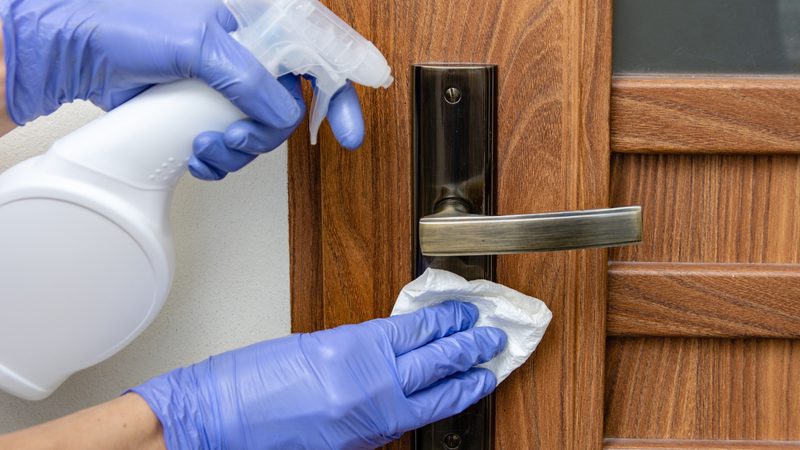
An inspection covers the front of house too. Sticky tabletops, residue on condiment containers and menus, dusty vents and light fixtures over dining areas, and washrooms with empty soap dispensers, no paper, or fixtures that have not been properly cleaned all form part of the picture. Guests notice these rooms even more than inspectors do — a washroom that feels neglected makes people wonder about the kitchen they cannot see.
Washrooms in particular need servicing through service, not just at close: fixtures disinfected, touch points wiped, supplies restocked, and floors dry and clean.
What a routine that holds up actually looks like
The restaurants that do well on inspections are rarely doing anything exotic. They run the same few habits without exception:
- Every shift: hand sinks clear and stocked, sanitizer mixed and tested, food-contact surfaces cleaned between tasks, floors swept and mopped, washrooms checked and serviced.
- Every night: the cooking line degreased, equipment wiped down including handles and switches, floors degreased and mopped to the edges, garbage out and bins washed as needed, dining room reset — tables, chairs, and touch points included.
- On a schedule: hood and filter cleaning, deep cleaning behind and under equipment, floor drains, walls and ceilings, storage areas sorted and cleaned around, and a detailed washroom deep clean.
- In writing: a checklist with names and times attached, so “someone should have” becomes “this person did, at close.”
The difference between a kitchen that passes comfortably and one that scrambles is almost never effort on inspection day. It is whether the unglamorous work — drains, corners, grease, storage — is on a schedule somebody owns.
Where a cleaning company fits in
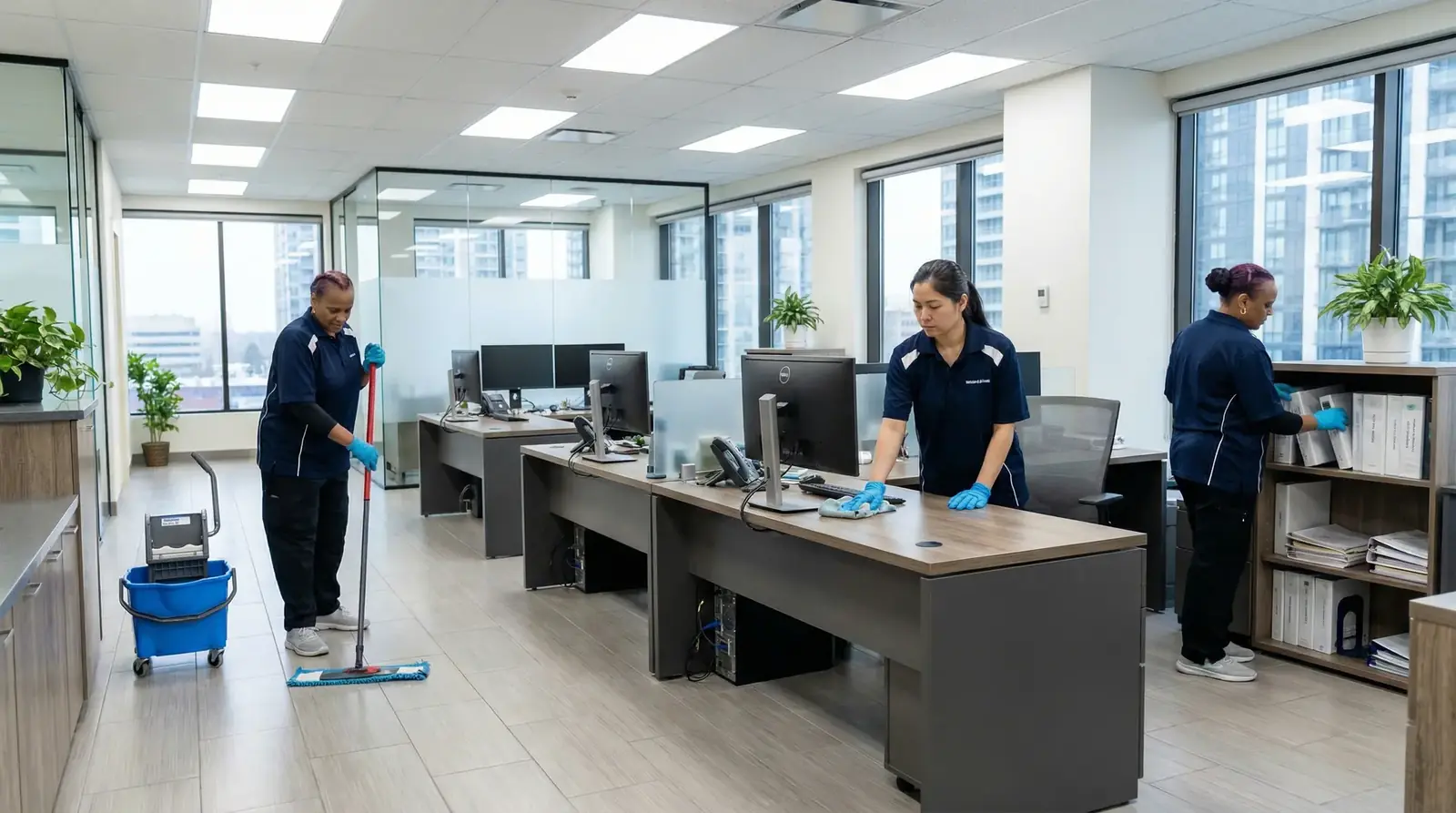
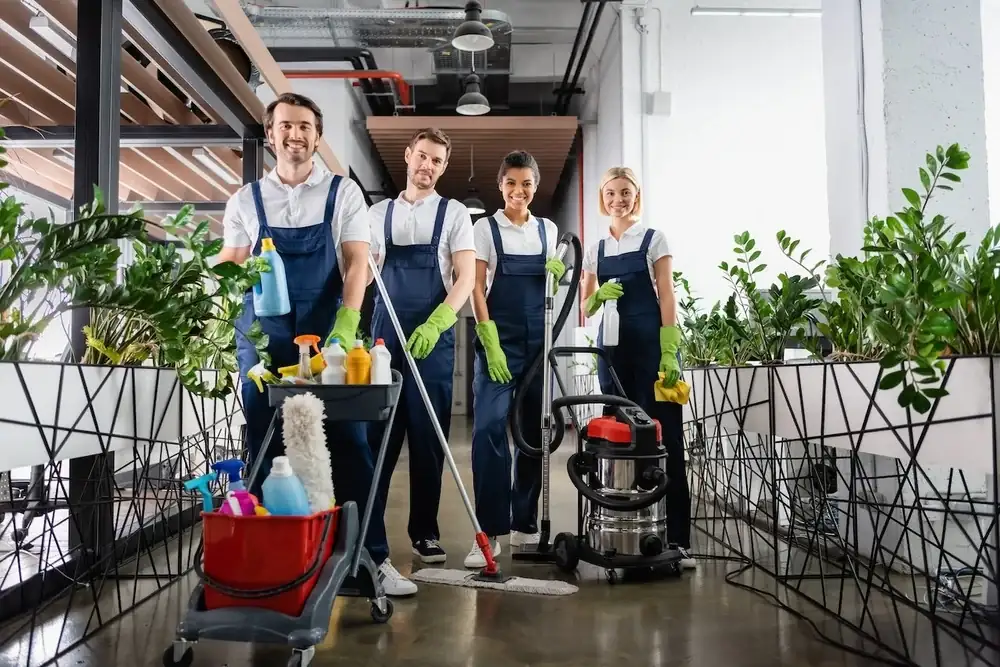
Your kitchen team will always own the cleaning tied to food handling itself: the sanitizer, the boards, the line during service. What many Toronto restaurants hand to a cleaning company is everything around it — the nightly floors and dining room, the washrooms, the glass and entrances, and the scheduled deep cleans of the areas that get skipped at midnight. That split is usually what makes the routine sustainable: staff handle the food-safety tasks they are trained for, and the building itself stays on a professional schedule.
If your restaurant, café, or bar in Toronto or the GTA could use that kind of backup — after-hours, around your service schedule — Cleanor Cleaning and Maintenance Service can help. To request a quote or book a walkthrough of your space, call (289) 460-3335 and we will talk through what your kitchen actually needs.
 Restaurant cleaning / Toronto & GTA